Best Time to Visit Sri Lanka: A Month-by-Month Guide
Determining the best time to visit Sri Lanka depends on where you want to go, as weather patterns and regional monsoons vary across the island throughout the year.
Understanding the best time to visit Sri Lanka
Sri Lanka can be visited throughout the year because its weather varies by region. When one coast is experiencing rain, another part of the island is often clearer and drier.
Sri Lanka Month by Month
January
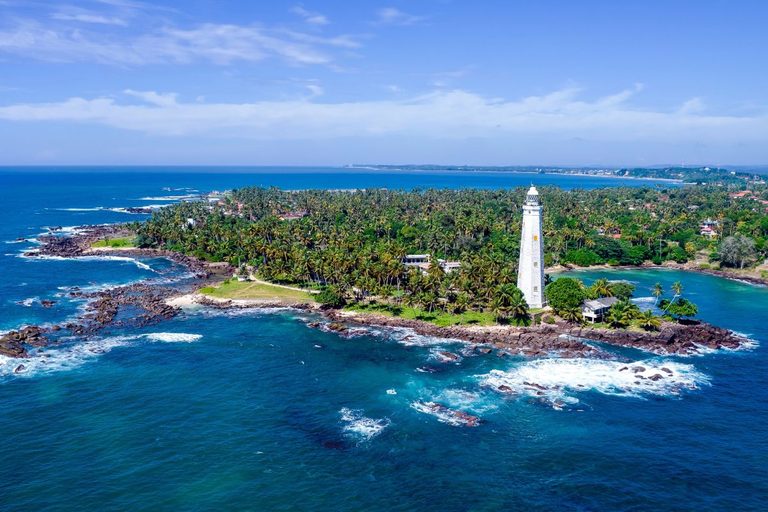
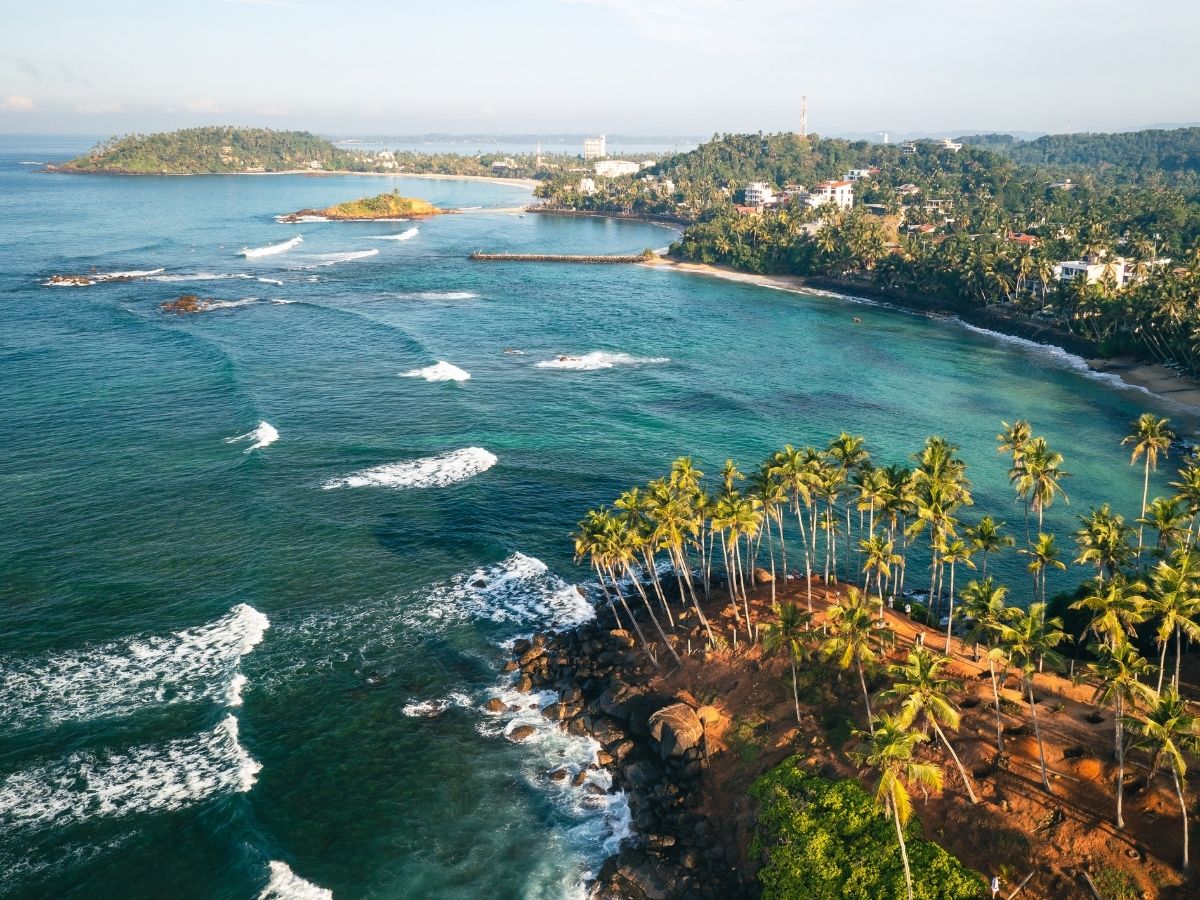
January usually brings favourable weather to the south and west coasts, making it a good month for beaches around Bentota and Mirissa. The east coast can still receive rain from the northeast monsoon.
February
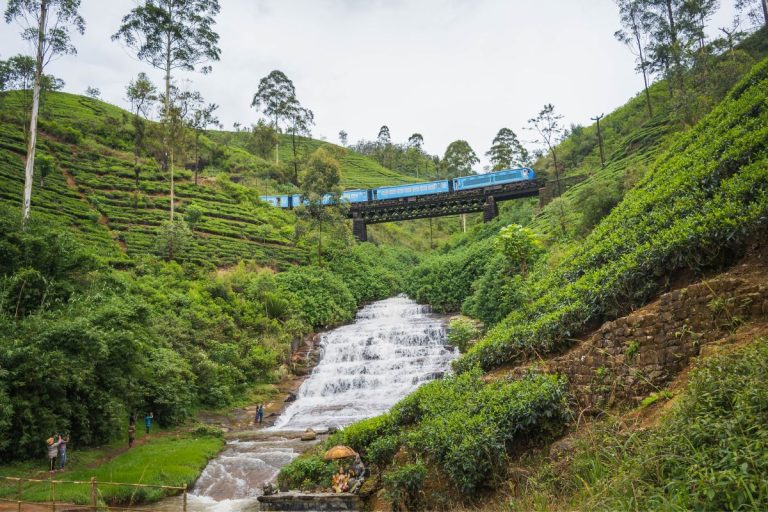
February is usually a good month for the south and west coasts. Combine beach time with a hill-country stay, and pack a warm layer for cool mornings around Nuwara Eliya.
March
March generally offers favourable beach weather on the south and west coasts. It also marks the first inter-monsoon period, when afternoon or evening showers can develop. Keep outdoor plans flexible.
April
April is among Sri Lanka’s warmest months, with afternoon or evening showers possible across the island. Plan sightseeing earlier in the day and leave time for a relaxed break during the midday heat.
May
May usually marks the start of the southwest monsoon, bringing wetter weather to the southwest. For beach time, consider the east coast, where conditions generally improve as the season changes.
June
June often suits beach stays around Trincomalee and Pasikuda. Monsoon rain continues in the southwest and can be heavy on the western slopes of the hill country, so keep outdoor plans flexible.
July
July generally suits east-coast beach stays. Consider combining Trincomalee or Pasikuda with inland cultural sights, while keeping outdoor plans flexible if your journey includes the southwest or western hill country.
August
August generally suits east-coast beach stays. It can also be a rewarding time to see elephants gathering around Minneriya’s reservoir during the dry season. Keep safari plans flexible, as wildlife sightings vary.
September
September can still suit east-coast beach stays, while the southwest remains in its monsoon season. Keep outdoor plans flexible as the island approaches the wetter October–November period.
October
October often brings widespread rain as the second inter-monsoon season begins. Keep sightseeing plans flexible, and balance outdoor visits with museums, cooking experiences and relaxed time at your hotel.
November
November remains part of the wetter inter-monsoon season, with rain and thunderstorms possible across the island. Build in flexible sightseeing days, and check local conditions before planning boat trips, hikes or beach activities.
December
December generally brings improving beach conditions to the south and west coasts, while the northeast monsoon brings wetter weather to the east. Pack a warm layer if your route includes the cooler hill country.
Plan Your Sri Lanka Journey
Tell us when you’d like to travel and what you enjoy. We’ll help shape a private Sri Lanka journey around your dates, interests and preferred pace.