Sri Lanka’s Wild South: A Guide to Yala and Udawalawe Safaris
A safari brings a different rhythm to your Sri Lanka journey. Planning Yala and Udawalawe safaris allows you to slow down, watch the landscape, and wait for wildlife to reveal itself. Sometimes the memorable moment is an elephant moving through the grass; sometimes it is a bird beside a reservoir or a brief glimpse of a leopard.
Both Yala and Udawalawe safaris offer distinct wildlife experiences depending on your schedule and interests. Whether you choose one park or visit both, Yala and Udawalawe safaris showcase the very best of Sri Lanka’s wild south.
Yala: varied landscapes and the possibility of leopards
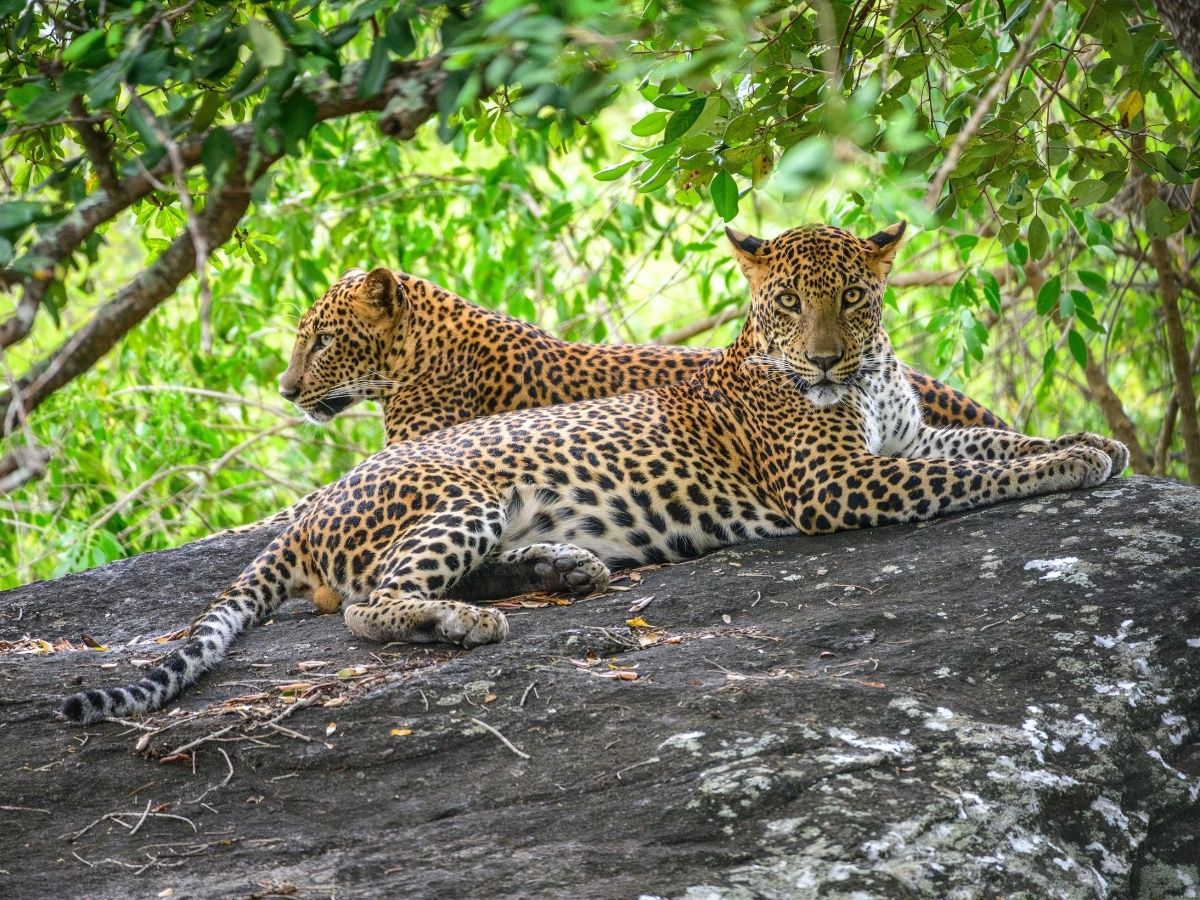
Yala is known for its Sri Lankan leopards, but the park’s appeal extends beyond a single animal. Its habitats also support elephants, deer, crocodiles and a variety of birds. Read more about Yala’s wildlife.
A visit suits travellers who enjoy searching patiently and observing the whole landscape. Leopard sightings are never guaranteed, and a rewarding safari should not depend on seeing one.
Tell us if wildlife photography is a priority so we can discuss suitable safari arrangements and how much time to allow.
Udawalawe: elephants and reservoir landscapes
Udawalawe is an important habitat for Sri Lankan elephants, with the reservoir forming a central part of its landscape. Other wildlife includes water buffalo, deer and several smaller mammals. Read more about Udawalawe National Park.
Consider Udawalawe if elephants are your main interest. As with any wildlife destination, what you see depends on animal movements and conditions on the day.
Take time to observe behaviour rather than simply collecting photographs. Watching animals feed, move and interact can be the most engaging part of the experience.
Should you visit one park or both?
Choose one park if your itinerary is short or you would prefer more time for culture, the hill country or the coast.
Visiting both can suit travellers with a stronger wildlife interest, provided the route allows time for transfers and rest. Two park visits offer different experiences, but they do not guarantee particular sightings.
We can help you choose based on your priorities rather than adding safari stops simply to fill the itinerary.
How much time should you allow?
As a suggested starting point, allow one or two nights near your chosen park. An overnight stay can make the safari easier to fit around transfers, while a second night gives you more breathing room.
If you would like more than one safari outing, discuss this during planning. Consider how comfortable you are with early starts, time in a vehicle and uneven tracks.
Families should choose the outing length around their children’s comfort and attention span.
What to expect on a safari
A safari involves travelling along permitted park routes in a suitable vehicle, with stops to observe wildlife. There may be stretches without sightings, and popular animal encounters can attract other vehicles.
Private vehicle arrangements give your party its own space, but do not mean exclusive access to the park or its wildlife.
Bring drinking water, sun protection and a camera if you wish. Ask about the outing’s duration, toilet arrangements and meal breaks before confirming.
Give wildlife space
Keep noise low, never feed animals and follow your driver’s and park staff’s instructions. Stay inside the vehicle unless expressly permitted to leave it in a designated area.
Avoid encouraging drivers to crowd animals or pursue a sighting at the expense of their space. A good safari gives wildlife room to behave naturally.
Check access and inclusions before booking
Park access, permitted routes and safari arrangements can change because of weather, conservation measures or official restrictions. Confirm the arrangements for your travel dates before finalising your itinerary.
Sri Lanka’s protected areas are managed by the Department of Wildlife Conservation.
Your quotation should clearly state whether it includes the safari vehicle, hotel transfers, park entrance charges, applicable taxes, guiding services, refreshments and meals. Accommodation should also be specified where relevant.
Make wildlife part of your private journey
A safari stay can form part of a wider trip combining the hill country and southern coast.
Share your dates, number of travellers and wildlife interests with Visit My Sri Lanka. We’ll help plan a suitable route, explain the available safari arrangements and leave time to enjoy the experience at your preferred pace.