Sri Lanka’s Cultural Triangle: A Guide to Ancient Cities and Sacred Sites
Ancient cities, cave temples, and a remarkable rock-top fortress make the Sri Lanka Cultural Triangle a rewarding part of a private journey. It is especially appealing to travellers who enjoy history, architecture, and discovering ancient traditions.
This guide focuses on four highlights: Sigiriya, Dambulla, Anuradhapura and Polonnaruwa. You can explore selected sites during a shorter stay or allow more time for a deeper cultural journey.
Key sites in the Sri Lanka Cultural Triangle
Sigiriya: a fortress above the forest
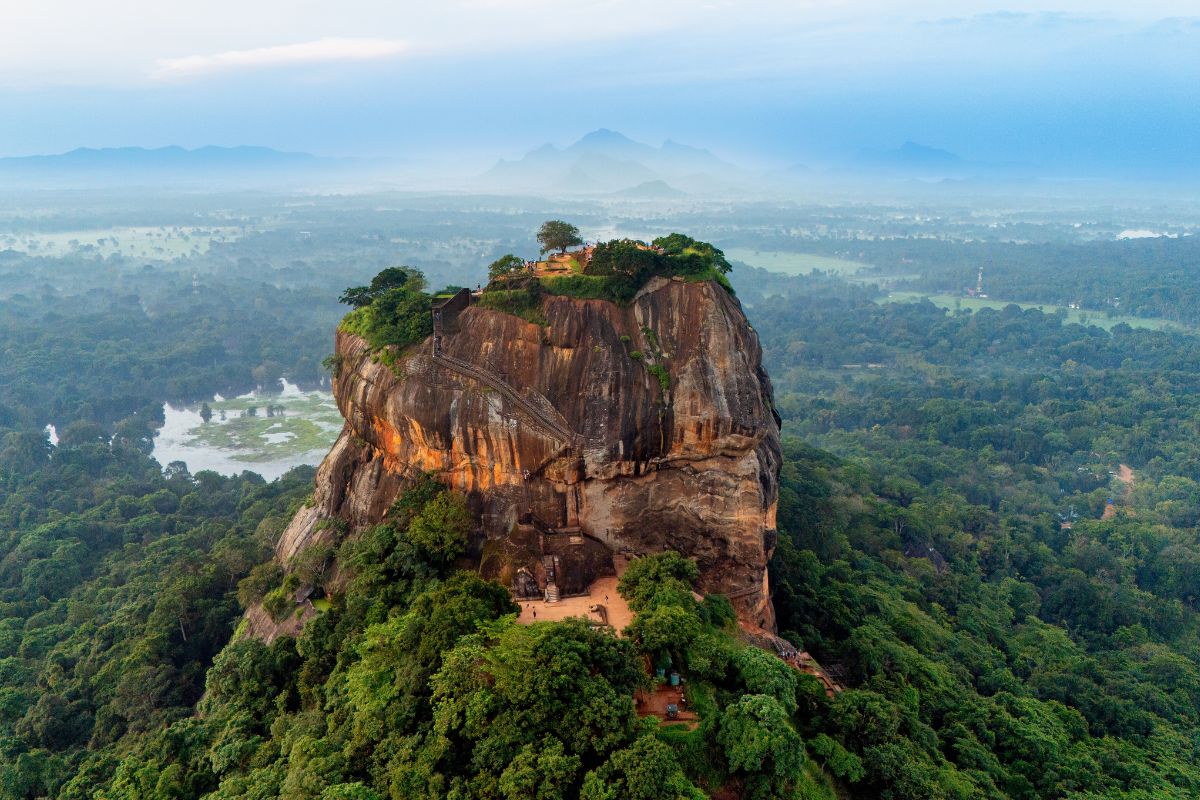
Sigiriya combines dramatic scenery with the remains of a fifth-century royal capital. Stairways lead up the rock towards the summit ruins, revealing wide views over the surrounding landscape.
It suits travellers who enjoy historic places with an active element. The climb involves steep steps, so tell us about your comfort with heights and walking before including the summit in your itinerary. Discover Sigiriya’s heritage.
Dambulla: art within sacred caves
Dambulla’s cave-temple complex offers a different experience: five sanctuaries containing Buddhist statues and extensive mural paintings. It remains a place of pilgrimage, adding a living spiritual dimension to its artistic heritage.
Allow time to appreciate the details instead of treating it as a quick photo stop. Discover Dambulla’s heritage.
Anuradhapura: an ancient sacred city
Anuradhapura brings together the remains of an ancient capital and a continuing Buddhist pilgrimage tradition. Its sacred monuments and monastic heritage make it particularly meaningful for visitors interested in the relationship between Sri Lankan history and faith.
Give this visit its own space in your itinerary rather than trying to combine every major cultural site into one day. Discover Anuradhapura’s heritage.
Polonnaruwa: exploring a former capital
Polonnaruwa offers another chapter of Sri Lanka’s history through the remains of a later capital. Its religious buildings, sculptures and archaeological monuments help visitors imagine the city’s former importance.
It is a worthwhile choice for travellers who enjoy exploring historic sites and comparing the styles of different periods. Discover Polonnaruwa’s heritage.
How much time should you allow?
As a suggested planning approach, allow three to four full sightseeing days to explore these four highlights without placing them all into a rushed schedule. Arrival and onward travel may require additional time.
For a shorter visit, choose the places that interest you most. Sigiriya and Dambulla can form the focus, while travellers with a stronger interest in archaeology may prefer extra time in Anuradhapura or Polonnaruwa.
Your final route should reflect your arrival time, accommodation, walking preferences and next destination.
Planning a comfortable visit
Bring comfortable walking shoes, sun protection and drinking water. Plan breaks between sightseeing stops, and discuss any mobility requirements with us before confirming your journey.
At sacred sites, follow the dress, footwear and photography instructions displayed locally. Allow space for worshippers and approach religious monuments respectfully.
Entrance tickets, guiding arrangements and any additional activities should be clearly confirmed in your personalised quotation.
Make the Cultural Triangle part of your Sri Lanka journey
Your visit can focus on ancient heritage or form the beginning of a wider journey through Kandy, the hill country and the coast.
Visit My Sri Lanka can help arrange a private route around your interests, available time and preferred accommodation. Tell us your travel dates, number of travellers and the places you would most like to experience, and we’ll help shape a journey around you.