

 Uncategorized
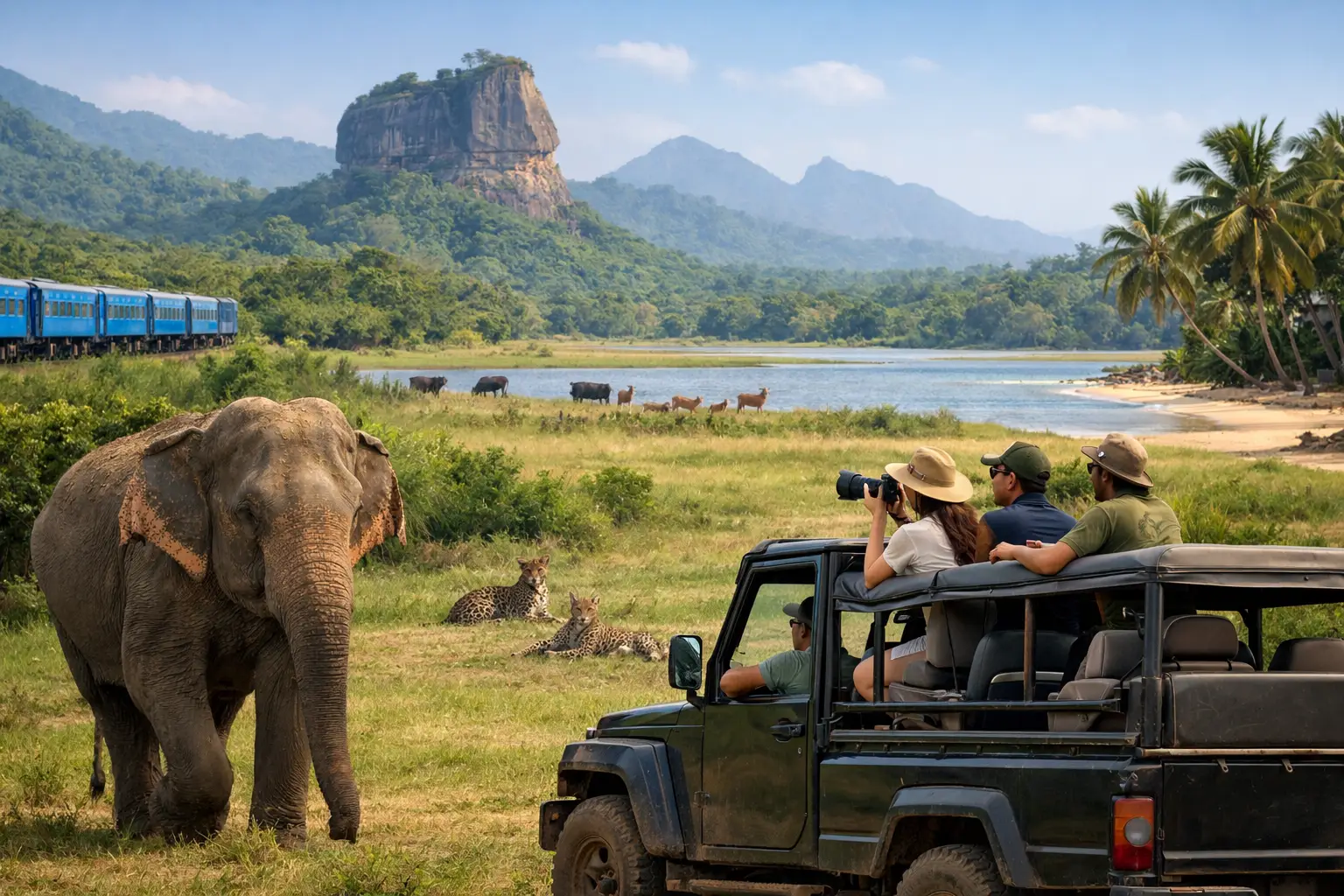
Before sunrise, the air in Sri Lanka’s dry-zone parks is cool, the roads are quiet, and a jeep may pause for fresh elephant tracks in the dust. That sense of anticipation is what makes a safari here special. This Sri Lanka wildlife safari guide will help you choose the right national park, set realistic expectations, and fit an unforgettable nature experience into a comfortable island holiday.
Sri Lanka is compact enough to combine wildlife with golden beaches, ancient cities, tea-covered hills, and a scenic train journey. Yet each park has its own character, climate, landscapes, and travel rhythm. Choosing well matters more than trying to see every species in one day.
Choose a Safari Park That Fits Your Trip
For first-time visitors, Yala National Park is often the best-known choice. Its varied landscape of scrubland, forest, lagoons, and rocky outcrops creates a dramatic setting for a game drive. Yala is particularly celebrated for leopard sightings, while elephants, spotted deer, crocodiles, monkeys, peacocks, and many bird species add to the experience. Because it is popular, expect more jeep activity in some areas, especially during busy travel periods. An experienced guide and an early start can make the day feel more peaceful.
Udawalawe National Park is a wonderful option for travelers whose priority is elephants. The open grasslands and reservoir scenery often make wildlife easier to spot than in denser forests. It suits families, photographers, and guests traveling between the south coast and hill country who want a straightforward safari experience without a long detour.
Wilpattu National Park, on the northwest of the island, feels more remote and forested. It is known for its natural lakes, called villus, and for a quieter, more patient style of wildlife viewing. Leopards live here, but sightings depend on timing and luck. Choose Wilpattu if you enjoy the journey as much as the checklist and are happy to spend time watching, listening, and waiting.
Minneriya and nearby Kaudulla National Parks are especially appealing for elephant-focused safaris in the Cultural Triangle. At certain times of year, herds gather around reservoirs and grasslands in impressive numbers. Their movements follow changing water and food conditions, so the best park can vary by season. A local planner can recommend the most suitable choice closer to your travel date.
For bird lovers, Bundala National Park offers lagoons, wetlands, salt pans, and a remarkable variety of resident and migratory birds. Gal Oya, meanwhile, is a rewarding choice for travelers seeking a more secluded eastern experience, with beautiful reservoir landscapes and the possibility of seeing wildlife from the water as well as on land.
When to Go on Safari in Sri Lanka
The best time depends on the park rather than one simple island-wide season. Sri Lanka has different weather patterns across regions, and conditions can shift from the south to the east. This is one reason a tailored itinerary is so valuable.
Morning game drives usually begin early, when the temperature is gentler and animals are more active. Afternoon drives can also be excellent as the light softens and wildlife moves toward water, but heat, rain, and park conditions can influence the experience. A half-day safari is enough for many travelers, while a full day may suit serious wildlife enthusiasts who enjoy a slower pace and longer observation.
Avoid planning your safari immediately after a late-night international arrival. A relaxed first night near the airport, followed by a well-paced journey south or inland, helps you enjoy the early start rather than simply endure it. Building in travel time also allows for scenic stops, hotel check-ins, and breaks along the way.
Nature Does Not Work on a Schedule
A safari is not a zoo visit, and that is precisely its appeal. Leopards may remain hidden in thick cover. Elephants may be farther from the track on a particular day. A patient guide can read alarm calls, tracks, and movement in the landscape, but no ethical operator should promise a particular sighting.
The most memorable moments are often unexpected: a painted stork lifting from a wetland, a mugger crocodile sliding into still water, or a family of langurs calling from the treetops. Arrive with a wish list, but leave room for surprise.
How to Plan a Comfortable Game Drive
A well-organized safari begins before the jeep enters the park. Choose a comfortable hotel within sensible driving distance, confirm your pickup time the evening before, and carry only what you will need. Safari jeeps are open-sided, which gives excellent views but can mean dust, sun, wind, and a bumpy ride.
Wear light, breathable clothing in neutral colors, with a hat and closed-toe shoes. Bring sunscreen, insect repellent, sunglasses, drinking water, and a light layer for cool early mornings. A small day bag is easier to manage than large luggage. If you are bringing a camera, protect it from dust and have a secure strap ready before the drive begins.
Families with young children should consider a private jeep and a shorter drive. This offers more flexibility for breaks and lets the guide adapt the pace to your group. Couples and honeymooners may prefer an early private safari followed by a relaxed afternoon at their hotel, rather than rushing onward to the next destination.
Photography is rewarding, but it should not take over the experience. A phone or compact camera can capture wonderful moments, while longer lenses are helpful for distant animals. Ask the driver to stop when it is safe, keep voices low, and enjoy a few minutes without a screen. The sounds of the park are part of the memory.
Responsible Wildlife Viewing Matters
The best safaris protect the places visitors come to admire. Keep a respectful distance from animals, remain inside the jeep unless your guide says otherwise in a designated area, and never feed wildlife. Loud music, shouting, or attempts to get closer for photographs disturb animals and reduce the quality of the experience for everyone.
Park rules, entry times, and designated routes are there to support conservation and visitor safety. Your driver and guide should follow them, even when an animal appears just beyond the track. Responsible choices may sometimes mean missing a closer photo, but they preserve the natural behavior that makes a safari meaningful.
Choose reusable water bottles where possible and take all personal waste with you. Small actions are especially important in fragile wetlands, forests, and coastal habitats. Wildlife travel should leave guests with a deeper connection to the island, not a heavier footprint.
Build the Right Sri Lanka Wildlife Safari Itinerary
A safari works best when it complements the rest of your route. Yala pairs naturally with Ella’s hill-country scenery and the southern beaches around Mirissa, Weligama, Galle, or Bentota. Udawalawe can fit well between Ella and the coast. Minneriya or Kaudulla is easy to include with Sigiriya, Dambulla, Polonnaruwa, and Anuradhapura, while Wilpattu is a thoughtful addition for travelers heading north from Colombo or Negombo.
Do not underestimate road time. Sri Lanka’s journeys are often scenic and enjoyable, but travel can be slower than a map suggests. A chauffeur-guided itinerary removes the pressure of navigating unfamiliar roads, coordinating park entries, and finding the best route after a dawn departure. It also gives you the freedom to pause for local fruit, tea, or a viewpoint when the moment is right.
For a first visit, two to three nights in a safari region is often ideal. This allows time to settle in, enjoy one or two game drives, and continue your holiday without feeling rushed. Travelers with a special interest in birds, photography, or quieter parks may appreciate a longer stay.
At Visit My Sri Lanka, safari plans can be coordinated alongside accommodations, transfers, and a wider route that reflects your travel style. Whether your dream journey combines elephants and ancient kingdoms, leopards and beach sunsets, or wildlife with the Nanu Oya to Ella train experience, thoughtful pacing makes every part of the island feel more rewarding.
Leave your safari with more than a collection of photos. Notice the changing light, the patience of your guide, and the quiet space between sightings. Those small moments are often where Sri Lanka’s wild heart stays with you longest.


